 Skip to content
Maha Shivaratri
Maha Shivaratri in Pokhara: Celebrate the Night of Lord Shiva
Maha Shivaratri, the “Great Night of Shiva,” is one of the most significant festivals in the Hindu calendar, dedicated to Lord Shiva, the god of destruction and transformation. The night is filled with deep spiritual meaning, with worshipers fasting, chanting mantras, and staying awake all night to honor Lord Shiva. For visitors in Pokhara, this festival is a unique opportunity to experience the city’s vibrant temples, lively celebrations, and rich cultural practices.
What is Maha Shivaratri?
Maha Shivaratri is celebrated on the 14th day of the dark fortnight in the month of Phalguna (usually February or March). It marks the night when Lord Shiva performed his cosmic dance, the Tandava, and is believed to be the day of his marriage to Goddess Parvati, symbolizing the union of divine energies.
For millions of devotees, the night of Maha Shivaratri is a time for deep meditation, prayer, and fasting to seek Lord Shiva’s blessings for inner peace, spiritual growth, and prosperity.
Maha Shivaratri Celebrations in Pokhara
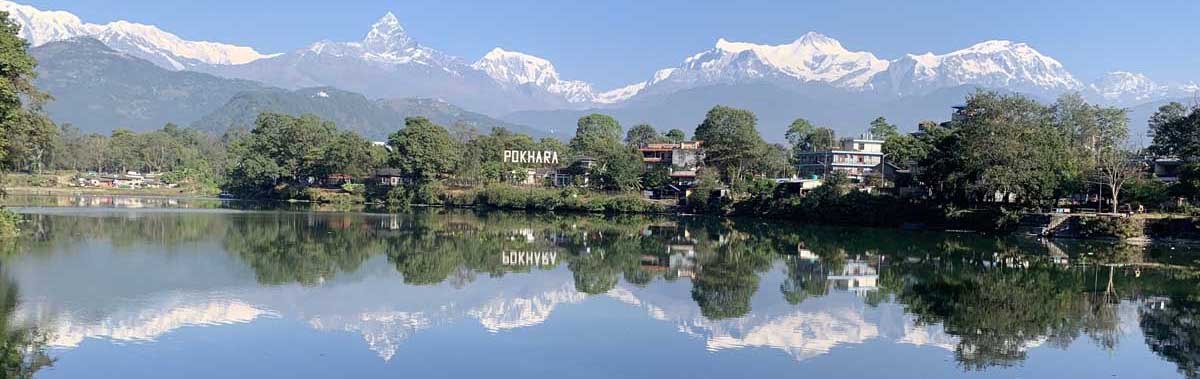
Pokhara, with its serene lakes, peaceful atmosphere, and vibrant spiritual culture, becomes a magical place during Maha Shivaratri. While this festival is observed across Nepal, Pokhara offers a unique setting with its picturesque temples and community-centered celebrations.
Key Highlights of Maha Shivaratri in Pokhara:
Kedareswor Mahadev Temple (Lakeside):
One of the most popular and revered temples in Lakeside, Kedareswor Mahadev Temple draws a large number of devotees during Maha Shivaratri. The temple will be filled with the sounds of chanting, prayers, and devotion. People come here to offer milk, honey, and fruits to the Shiva Linga and seek Lord Shiva’s blessings.
The peaceful atmosphere of the Kedareswor Mahadev Temple, located near Phewa Lake, is perfect for introspection and meditation. Visitors can witness the night-long prayer sessions, where devotees chant “Om Namah Shivaya” to invoke Lord Shiva’s presence.
Fire Rituals on the Streets:
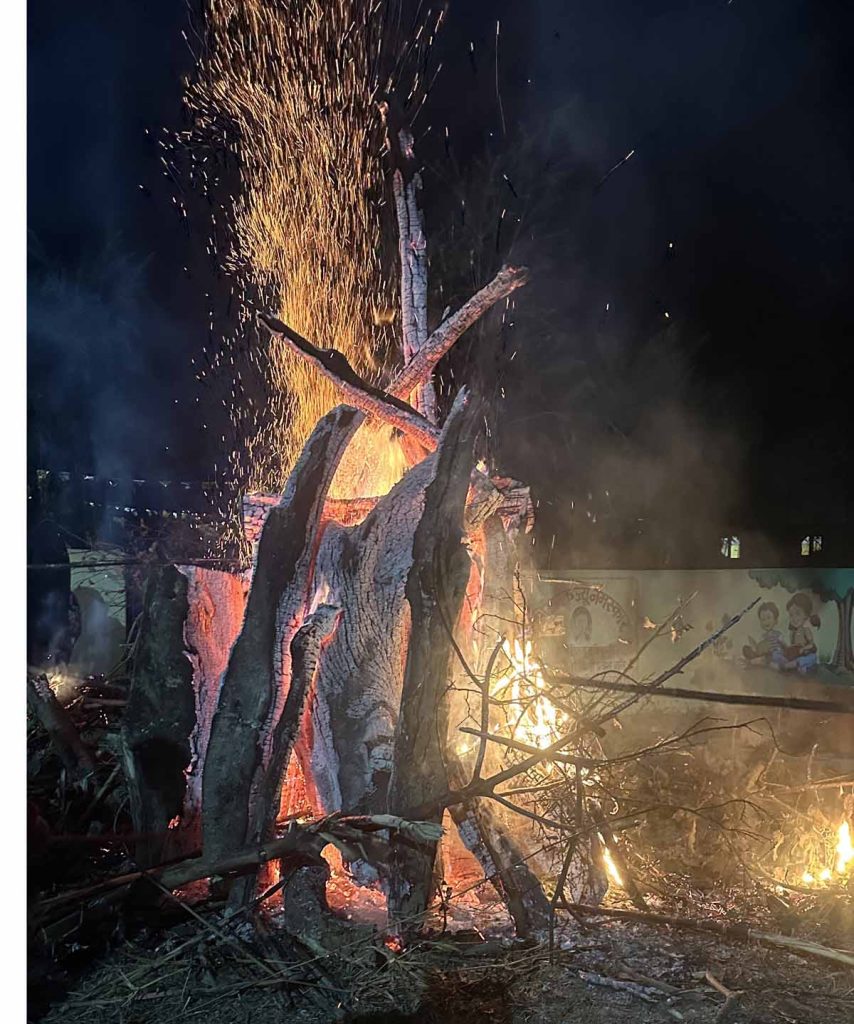
A unique feature of Maha Shivaratri in Pokhara is the large fire rituals held on the roadsides in various areas. Devotees light huge bonfires to honor Lord Shiva and purify the environment. These bonfires symbolize the destruction of evil and the transformation of energy.
The flames of these fires also represent the fire of meditation that burns away the negative energies within the soul. The roadside gatherings create a lively yet spiritual atmosphere, with people coming together around the fire to share prayers, songs, and stories.
Other Shiva Temples in Pokhara:
Apart from Kedareswor Mahadev Temple, there are numerous other Shiva temples spread across Pokhara. Many of these temples host smaller, intimate celebrations where devotees can participate in rituals, prayers, and mantra chanting.
Spiritual Vigil and Fasting:
Many devotees practice fasting during the day and participate in the night-long vigil. The focus of this vigil is to meditate, chant, and pray to Lord Shiva, seeking peace and guidance. If you’re new to the practice, feel free to observe or respectfully participate in the rituals with the guidance of the locals.
What to Expect During Maha Shivaratri in Pokhara
A Spiritual Atmosphere: As evening falls, Pokhara takes on a serene, almost mystical atmosphere. The soft glow of oil lamps and the flicker of the bonfires create a calm and meditative environment. The sound of chanting, bell ringing, and incense fills the air.
Community and Unity: Maha Shivaratri is a time for community bonding. Locals and visitors alike join together in the spiritual celebration, sharing stories, prayers, and joy. It’s a festival that brings people from all walks of life together.
Cultural and Religious Practices: Expect to see the temples filled with people offering their prayers, meditating, and participating in the rituals. The streets of Lakeside and other parts of Pokhara will be alive with the sounds of traditional instruments, devotional music, and vibrant energy.
Respect Local Customs: If you wish to participate in pujas or prayer rituals, ask the locals for guidance. Be mindful of customs and traditions to ensure a respectful experience.
Stay Hydrated During Fasting: Many people fast on Maha Shivaratri, but it’s important to stay hydrated. Drink water or juice to maintain your energy levels throughout the day.
Join the Night Vigil: Whether you’re at the Kedareswor Mahadev Temple or at a local bonfire gathering, consider joining the night-long prayer sessions and mantra chanting. It’s a powerful and peaceful way to connect with the essence of the festival.
Book Your Maha Shivaratri Experience in Pokhara
Don’t miss the chance to experience the deeply spiritual and culturally rich celebration of Maha Shivaratri in Pokhara. Whether you’re participating in the prayers at Kedareswor Mahadev Temple, enjoying the bonfire rituals, or joining the cultural programs in Lakeside, Pokhara offers a unique opportunity to be part of this sacred night.
Book your tour to Pokhara today and immerse yourself in the spiritual energy of Maha Shivaratri!