 Skip to content
Farewell to Pokhara & Nepal Photo Galleries: An Era Ends
A Final Farewell: Closing Two Chapters of Nepali Digital History
For nearly two decades, I had the privilege of being a digital storyteller for one of the most breathtaking countries on Earth. Through two websites—Pokhara Photo Gallery and Nepal Photo Gallery—I invited the world to look through my lens and fall in love with the Himalayan nation. Today, with a heart full of gratitude and a touch of melancholy, I write to announce that both of these websites have been laid to rest. This year, I made the difficult decision not to renew their domains or hosting, bringing an end to a journey that once touched millions of lives.
The Glory Days: When We Were the Window to Nepal
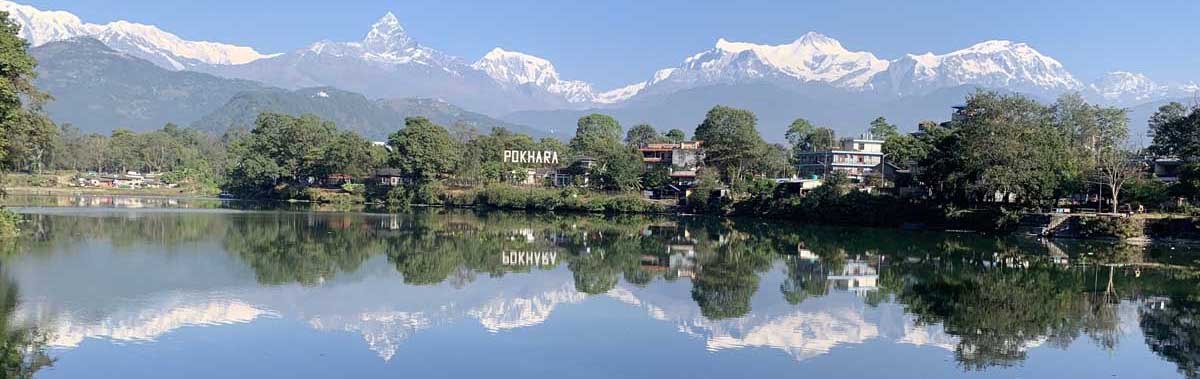
Let me take you back to a time before Instagram reels, before Facebook algorithms, and before TikTok travel influencers dominated our screens. In those days, if you wanted to see the real Nepal—the serene reflection of Machhapuchhare on Phewa Lake, the intricate woodcarvings of ancient temples, the mystical darkness of Mahendra Cave, or the vibrant chaos of local bazaars—you didn’t scroll through a social feed. You came to us.
Pokhara Photo Gallery was born out of my sheer love for the lakeside city. I meticulously divided the city’s sightseeing into five distinct parts—each highlighting its local gems, from the sacred Bindhyabasini Temple to the adrenaline-pumping views from Sarangkot. Travelers planning their itineraries relied on our high-resolution images and clear visual overviews to decide where to go, what to see, and how to fall in love with Pokhara even before they booked their flights.
Nepal Photo Gallery was its grander sibling—a sweeping visual encyclopedia of the entire country. From the dusty plains of Terai to the snow-capped peaks of the Everest region, from the medieval squares of Kathmandu to the tranquil monasteries of Mustang, this site was a tribute to Nepal’s unparalleled diversity.
And the world responded. At our peak, the two websites combined welcomed over 20,000 unique visitors per day—a staggering number in the pre-social media era. Travel agencies linked to us, solo backpackers planned their months-long treks using our galleries, and university students wrote research papers citing our visual documentation. We weren’t just a website; we were a trusted companion for wanderers.
The Digital Tectonic Shift: When Giants Took Over
But the internet, like the Himalayas, is never static. The rise of social media was a seismic shift that reshaped how people consume travel content. Facebook, Instagram, and later Pinterest became the new go-to platforms for visual inspiration. Suddenly, anyone with a smartphone could be a travel photographer. Algorithms replaced human curation. Instant scrolling replaced thoughtful browsing.
The traffic to both websites began its slow, steady decline. It wasn’t because the content was outdated or the photographs had lost their magic—it was simply that the world had moved to faster, more interactive platforms. Google, too, began favoring dynamic, frequently updated social content over static photo galleries. Despite the years of rich, high-quality archives, both pokharaphotogallery.com and nepalphotogallery.com lost their age rank and search visibility. They became digital ghosts—beautiful, but invisible.
The Financial Reality: A Labor of Love That Could No Longer Pay Its Way
Running a website is often romanticized, but the reality is grounded in hard costs. Domain registration fees, reliable hosting servers, data storage for thousands of high-resolution images, security protocols, regular backups, and occasional technical maintenance all come with a price tag. For years, I absorbed these costs out of passion, treating the websites as my creative children rather than commercial ventures.
However, as viewership dwindled to a fraction of what it once was, the revenue from the few advertisements and affiliate links we had dried up entirely. The operational costs, however, did not shrink. Every month, the bills arrived for server space that was barely being utilized, for bandwidth that was no longer being consumed, for a digital infrastructure that had outlived its audience.
I reached a crossroads. Could I justify pouring my limited personal resources into two websites that fewer and fewer people were visiting? Could I continue to pay for domain renewals year after year when the sites no longer ranked on Google and the daily visitor count had dropped from twenty thousand to a few hundred?
The honest, painful answer was no.
Saying Goodbye to Two Old Friends
This year, I chose not to renew the domains for either pokharaphotogallery.com or nepalphotogallery.com. The decision was not made lightly—it came after months of sleepless nights and emotional wrestling. These weren’t just lines of code to me; they were repositories of memories, millions of clicks from curious travelers, and countless emails from people who told me that my photos had changed their lives or inspired their journeys.
I remember the young couple from Germany who wrote to say they had used our Pokhara gallery to choose their honeymoon spots. I remember the university professor from Japan who used our Nepal gallery to teach his students about South Asian architecture. I remember the solo female traveler from Brazil who said our detailed visual guides gave her the confidence to explore remote villages alone. These stories are the true legacy of those websites—and no amount of server shutdown can erase them.
A Message of Gratitude to Every Visitor
To the 20,000 daily visitors who once made our servers hum with activity: thank you. You were the reason we existed. You were the fuel behind every late-night upload, every photo edit, every meticulous categorization of temples, lakes, caves, and cultural sites. You trusted us to be your visual compass, and we gave you our very best.
To the few hundred recent visitors who still stumbled upon our pages: thank you for keeping the embers burning. Even in our twilight years, your visits meant the world to me. It reminded me that even a quiet site can touch a soul.
To the travelers of tomorrow: even though our websites are gone, the mountains of Nepal remain as majestic as ever. The lakes still shimmer, the monks still chant, and the trails still beckon. I hope the visual foundations we built over the years—the way we broke Pokhara into five distinct sections, the way we celebrated every corner of Nepal—will continue to guide your exploration, whether through memory, cached pages, or the enduring spirit of the photographs that once lived on our servers.
Closing the Digital Door, Opening the Heart
This is not a story of failure; it is a story of evolution. The internet moves forward, and so must we. I may not be able to afford the operating costs of these websites anymore, but I can afford to walk away with my head held high, knowing that for a golden decade, we were the undisputed visual gateway to Nepal.
If you are planning a trip to Pokhara or anywhere else in Nepal, I encourage you to look out of the airplane window, breathe in the fresh mountain air, and create your own gallery—one that lives not on a server, but in your heart. That, after all, was always the ultimate goal of everything we created.
So here’s to the end of an era. Here’s to Pokhara Photo Gallery and Nepal Photo Gallery. They were born from passion, sustained by love, and retired with dignity.
Thank you for being part of the story.
With warmest regards and everlasting gratitude,
Mahendra & Sunita
Founder, Nepal Photo Gallery & Pokhara Photo Gallery